
Commercial door repair, installation and maintenance
From a door that will not close to a full replacement, we look after every door in your building — and we inspect and document the fire-rated ones while we are there.
Request service
Tell us what is wrong and we will come back to you the same business day.
No obligation. We quote before any work starts.
The door problems buildings actually have
Most calls are one of these. Open any of them for the usual cause and what the fix involves — and if yours is not on the list, it is still almost certainly something we do.
The door will not close properly
Closer worn, out of adjustment, or leaking
- Usually
- The closer has drifted out of adjustment, or its hydraulic seals have gone and it is weeping oil down the leaf. Occasionally the arm geometry was wrong the day it was fitted.
- What the fix involves
- Adjustment on the spot where the body is sound, replacement where it is leaking. Our trucks carry the common closers, so this is usually one visit.
On a door in a fire separation this is not discretionary — Article 2.2.3.2(1)(c) requires hardware adjusted and repaired to ensure proper closing and latching.
The door will not latch
Strike misaligned, latch worn, door dropped
- Usually
- The strike has shifted, or the leaf has dropped far enough that the latch no longer meets it. The door swings freely and looks perfectly fine, which is exactly why it gets left.
- What the fix involves
- Strike realignment, or correcting the sag at the hinges. Cheap and quick, provided the frame has not been chewed up in the meantime.
The most common fault we find in any building. On a fire door it is a code failure rather than an irritation: a door that does not latch will be pushed open by a fire.
It is sticking or dragging
Hinges sagging, frame out of square, floor movement
- Usually
- Hinge wear letting the leaf sag, or a frame pushed out of square by something heavy. Occasionally the building itself has moved and the floor is no longer where the door expects it.
- What the fix involves
- Caught early it is a shim or a hinge. Caught late the leaf has been grinding on the frame for months and the frame is the job.
Panic bar is jamming
Exit device worn, misaligned or damaged
- Usually
- Wear inside the device, misalignment against the strike, or impact damage from a cart. Sometimes the door has dropped and the device is being blamed for the hinge.
- What the fix involves
- Adjustment where the device is sound, replacement where it is not. Safety-critical hardware on an egress route gets a full function test either way.
Article 2.7.2.1(1) requires an exit door to open in the direction of exit travel under a force of not more than 90 N at the releasing device. That is measurable with a gauge, not a matter of opinion.
Damage from traffic
Pallet trucks, carts, forced entry, weather
- Usually
- Loading areas and service corridors, where freight meets steel daily. The leaf takes it reasonably well; the frame takes it badly and is often the real casualty.
- What the fix involves
- Straightening, realignment and making good. Steel is forgiving, so full replacement is rarer than people expect.
Where the opening is rated, we check what the impact did to the clearances before anyone calls it repaired. A door that shuts is not the same as a door that still meets its listing.
Locks and access control
Electric strikes, keypads, mag locks, controlled doors
- Usually
- The mechanical half and the electronic half were installed by different companies and nobody owns the gap between them. The door opens when the reader says so and binds when the closer disagrees.
- What the fix involves
- We treat the opening as one assembly — strike, closer, leaf, frame and controls together. That is the part most trades skip.
Since 1 January 2026, electromagnetic locks must be tested at intervals not greater than 12 months and the test recorded — Articles 2.7.2.3(4) and 2.7.2.4. Widely missed, because mag locks get filed under security rather than life safety.
Draughts, noise and water
Gasketing, sweeps, thresholds and seals
- Usually
- Perished or painted-over seals, a worn sweep, or a threshold that has lifted. On exterior openings, an Ontario winter of salt and meltwater does the rest.
- What the fix involves
- Replacing the affected component, which is normally a short visit and inexpensive parts.
On a rated door, smoke seals and intumescent strips are part of the listed assembly rather than weatherproofing. Painted over, they no longer do the job they were tested to do.
The door is past repair
Full leaf or frame replacement, hollow metal or wood
- Usually
- A leaf corroded through, a frame pulling away from the wall, or a rated assembly modified further than can be reversed. That last one is the most common reason we recommend replacing a door that still works perfectly.
- What the fix involves
- Supply and fit — hollow metal, wood or glazed, leaf or full opening, with a rated assembly installed so the listing still holds afterwards.
If the label is missing rather than the door failing, field labelling through a certification organization is sometimes possible at a fraction of the cost. Worth establishing before anyone quotes you a new door.
Doors, hardware and everything attached to them
Commercial and institutional buildings across the GTHA. Any service below can be booked on its own.
Door repair
Closers, exit devices, hinges, latches, strikes, alignment and hardware of every kind.
Learn more →Installation & replacement
Hollow metal, wood and glazed doors, frames and full openings supplied and fitted.
Learn more →Planned maintenance
Scheduled servicing across a portfolio, so doors get attention before they fail.
Learn more →Fire door inspection
Per-door inspection and documentation. The Ontario Fire Code sets the duty; NFPA 80 supplies the inspection criteria.
Learn more →Compliance programmes
Monthly and annual schedules built around the articles that apply to your building, with records retained at the building.
Learn more →One trade, done properly
Doors are all we do. That sounds like a limitation until you have watched a general handyman shim a fire door until it stops latching.
- We quote before we start, and we stand by the number
- Trucks carry common closers, strikes and hardware, so most calls are fixed in one visit
- Every job photographed and recorded, not scribbled on a worksheet
- We tell you when something does not need fixing yet
- Scheduling that works around your tenants, including after hours
- You are told who is attending before they arrive
We work the way facility managers need
Consistent paperwork, consolidated across buildings, with a record of what was done and when.
If you manage fourteen buildings, the value is not just that the door gets fixed. It is that you can tell someone else it was fixed, and prove it.
Most fire doors fail on at least one point
A fire door that closes and latches can still be non-compliant — a painted-over label, a substituted hinge that is not listed for the assembly, a gap out of tolerance. Most door companies will repair one without ever telling you.
What the Ontario Fire Code requires
A door in a fire separation must be inspected monthly — Division B, Article 2.2.3.4(4). It applies whether or not the door is in regular use, and it has no exemption: the exceptions at 2.2.3.4(3) relieve a door from being held closed, not from being inspected. This is long-standing law rather than a recent change, and most buildings have never done it.
Fire dampers and fire stop flaps are the annual item, under Article 2.2.3.5. Anyone who tells you fire doors are an annual item has run two adjacent articles together.
New on 1 January 2026: every door forming part of a means of egress is checked at intervals not greater than one month to confirm it is operable, and revolving doors, certain sliding doors and electromagnetic locks are each tested at intervals not greater than 12 months — with records kept for those tests. Articles 2.7.2.3 and 2.7.2.4.
Less noticed, the maintenance and anti-wedging duties at Articles 2.2.3.2(1) and 2.2.3.3 were widened on the same date to cover every closure in the building, not only the ones in a fire separation.
The Code places the obligation on the “owner”, and defines that as anyone “having control over any portion of the building or property” — which routinely includes property managers and long-term lessees.
A record, not a clipboard
Every job — repair or inspection — comes back as a structured record rather than a one-line invoice description.
- Doors numbered, tagged and tracked individually
- Photographs of the problem and the fix
- Findings graded, so you know what is urgent and what can wait
- Dated records retained and reproducible on request
- History carried forward, so you can see which doors keep failing
Why it matters at budget time
A record tells you which buildings are consuming your maintenance spend and which doors are due for replacement rather than another repair.
It also means that when a fire prevention officer asks what you have done, the answer is a file rather than a scramble.
Worth knowing: for the monthly fire door inspection the Fire Code does not actually compel a record. We produce one anyway, because an undocumented inspection is indistinguishable from one that never happened.
Commercial, industrial and institutional buildings
Single sites and multi-building portfolios.
Property management
Multi-building portfolios, consolidated reporting, work scheduled around tenants.
Healthcare & long-term care
Per-door documentation to the standard regulators expect, and work windows that respect patient movement.
Industrial & warehouse
High-traffic damage, dock areas, rolling steel doors and fire shutters.
Retail & multi-site
Standard scope across locations, one report format, after-hours attendance.
Three steps, no surprises
Tell us the problem
Call or send the form. For a single door we can often quote from a photograph; for a portfolio we walk the site first.
We quote, then we fix
You get the number before work starts, and the name of the technician attending before they arrive. Most repairs are completed in a single visit.
You get the record
Photographs, what was found, what was done — filed against that door so it is there next time.
Across the Greater Toronto and Hamilton Area
We cover the GTHA only, deliberately — one corridor served properly rather than a map we cannot attend.
Before you call
Do you handle one-off repairs, or only contracts?
How quickly can you attend?
What does it cost?
Do you replace doors, or only repair them?
Can you tell if our fire doors are compliant?
Who actually turns up — your people or a subcontractor?
Do you work outside business hours?
A door company with a facilities background
Rated Door Services is the door division of Kibog, a commercial facility services company. That is why our reporting looks the way it does — the documentation platform behind it was built for managing work across multiple sites, not bolted on afterwards.
We combine an engineering background with hands-on contracting experience, which means the mechanical detail of an opening and the paperwork behind it get the same attention.
We work the GTHA only, from Toronto through to Hamilton. That is a deliberate limit — it is the area we can actually attend properly, and we would rather say no than quote a job we cannot reach.
Latest from our resources
Plain-language guidance on fire door compliance, inspection and commercial door repair — written for the people who manage buildings.
-
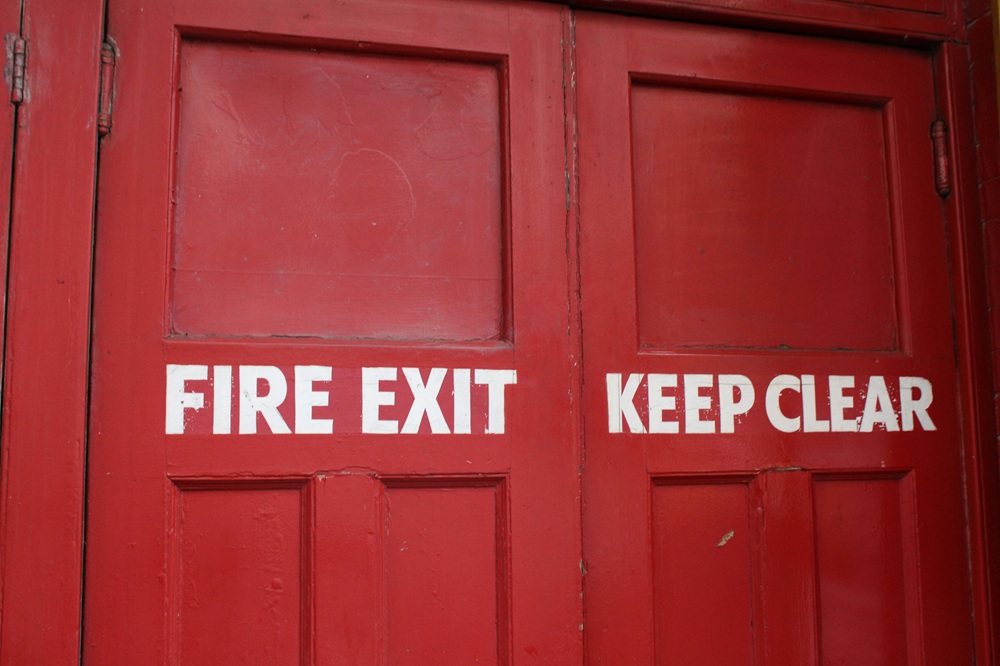
Who Is Responsible for Fire Doors in a Leased Building?
In a leased commercial building, fire door inspection is the duty nobody does. The landlord assumes the tenant handles their own premises.…
-
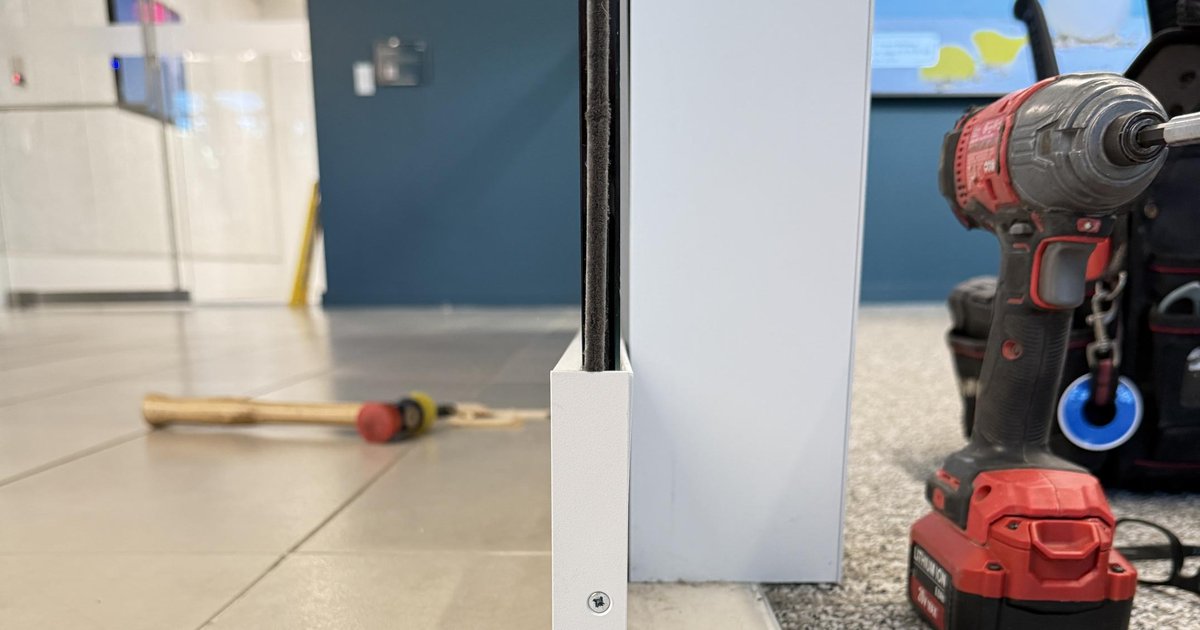
The Door Closes But Will Not Latch — What’s Actually Wrong
The most common fault in any commercial building, and the one most often lived with. Usually a twenty-minute fix — and on…
-
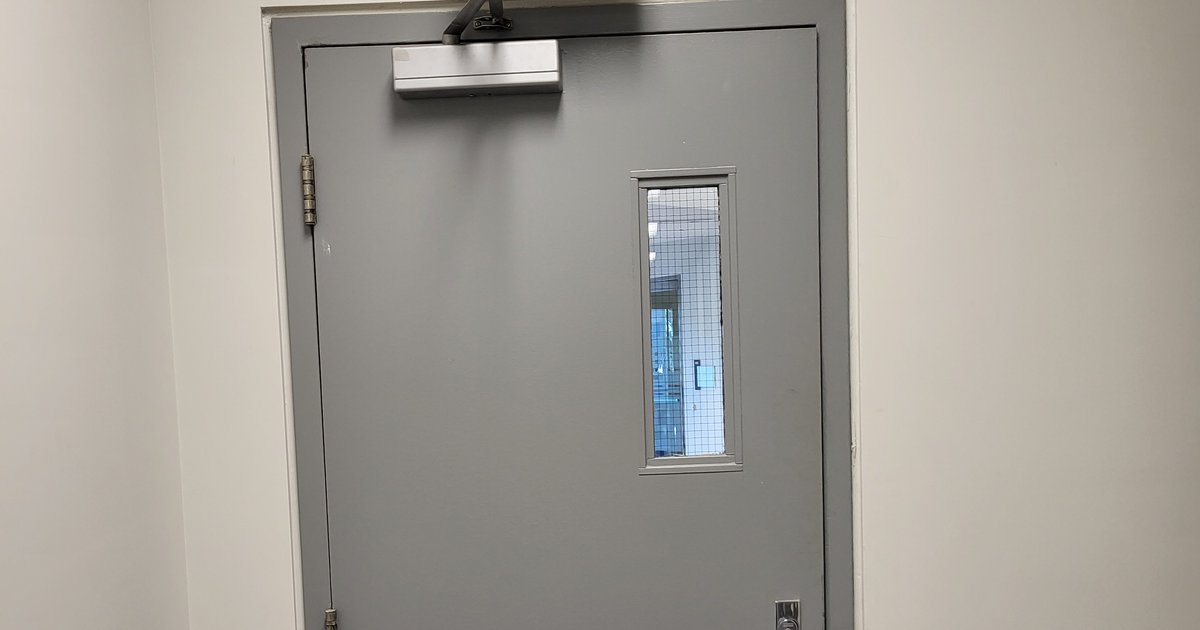
Fire door records — what to keep, for how long, in what format
You can inspect every fire door in your building, fix every fault, and have nothing to show for it. If you cannot…
Tell us about the door
A photograph and a sentence is usually enough for us to tell you what is involved and roughly what it will cost.
Managing a portfolio? We will walk the buildings, count the openings and quote the whole scope.
Monday to Friday, 8am–5pm. After-hours attendance by arrangement.
Request service
We reply within one business day. Your details are used only to respond to this enquiry.